Kingdom of Rome
The traditional seven kings are probably apocryphal, created to explain Rome's development between Romulus and the Republic. Etruscan influence and possibly Etruscan kingship appear to reflect a historical reality. The stories emphasize the balance between Rome's two defining forces: war and religion. Roman kings were generally chosen for merit (in elections via Comitia Centuriata) rather than hereditary succession. Overthrow of kings is most likely a later fabrication to predate establishment of democracy in Athens by Cleisthenes in 508 BC.
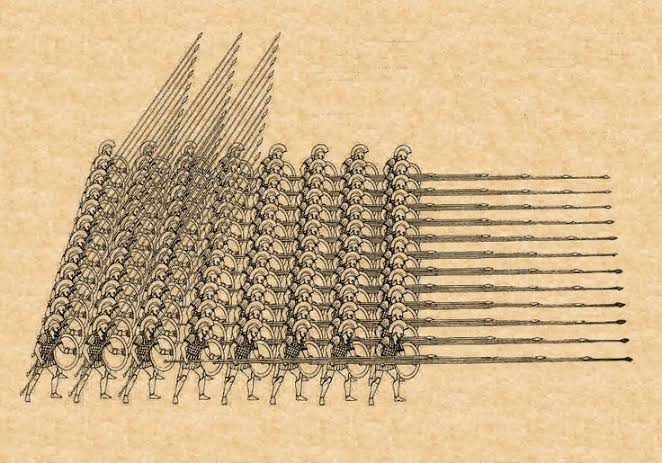
Men aged 18-40 formed the legions when needed. Wealth classes were based on how much they could provide in battle. Classes formed Comitia Centuriata, each class having some vote with the richest having majority. First, warfare was based on unstructured individual hand-to-hand fighting under a strong commander. Later, phalanx was adopted, which fought as a tightly packed shield wall, with each soldier protecting the man beside him and maintaining a cohesive formation.
Timeline
The early kings
- ~715 BCE: After Romulus's disappearance, an interregnum began, with senators ruling one day each until Numa Pompilius, a Sabine, was chosen as king.
- 715-673 BCE: Numa Pompilius established Rome's religious institutions, including the Vestal Virgins, Pontifex Maximus, and temple of Janus, bringing peace after Romulus's wars.
- 673-642 BCE: Tullus Hostilius revived Rome's military tradition, defeated Alba Longa, and incorporated its population into Rome.
- 642-617 BCE: Ancus Marcius subdued neighboring Latin communities, settled their populations in Rome, formalized the ritual declaration of war, and founded Ostia (Rome's port).
The Etruscan kings
- 616-579 BCE: Tarquinius Priscus, an Etruscan-born king, expanded the Senate to 300, defeated the Sabines, began the Circus Maximus, and celebrated the first triumph.
- 578-535 BCE: Servius Tullius (adopted by Priscus) introduced the first census, divided citizens into wealth-based classes according to their military equipment, and established the Comitia Centuriata.
- ~550 BCE: Rome adopted the Greek-style phalanx, replacing relatively individualistic fighting with disciplined formations of heavily armed infantry.
- 535-509 BCE: Tarquinius Superbus seized power, ruled as a tyrant, suppressed the Senate, and bypassed traditional legal institutions.
Overthrow of the monarchy
- ~509 BCE: Sextus Tarquinius raped Lucretia; her suicide helped trigger a revolt led by Lucius Junius Brutus and Lucius Tarquinius Collatinus.
- 509 BCE: Tarquinius Superbus was expelled and monarchy abolished; Brutus and Collatinus became Rome's first consuls (then named praetors until 300 BCE), traditionally marking the beginning of the Republic.
Gallery